MindBridge AI
Research platform using fine-tuned language models to spot early signs of depression and anxiety in everyday conversation.
The problem
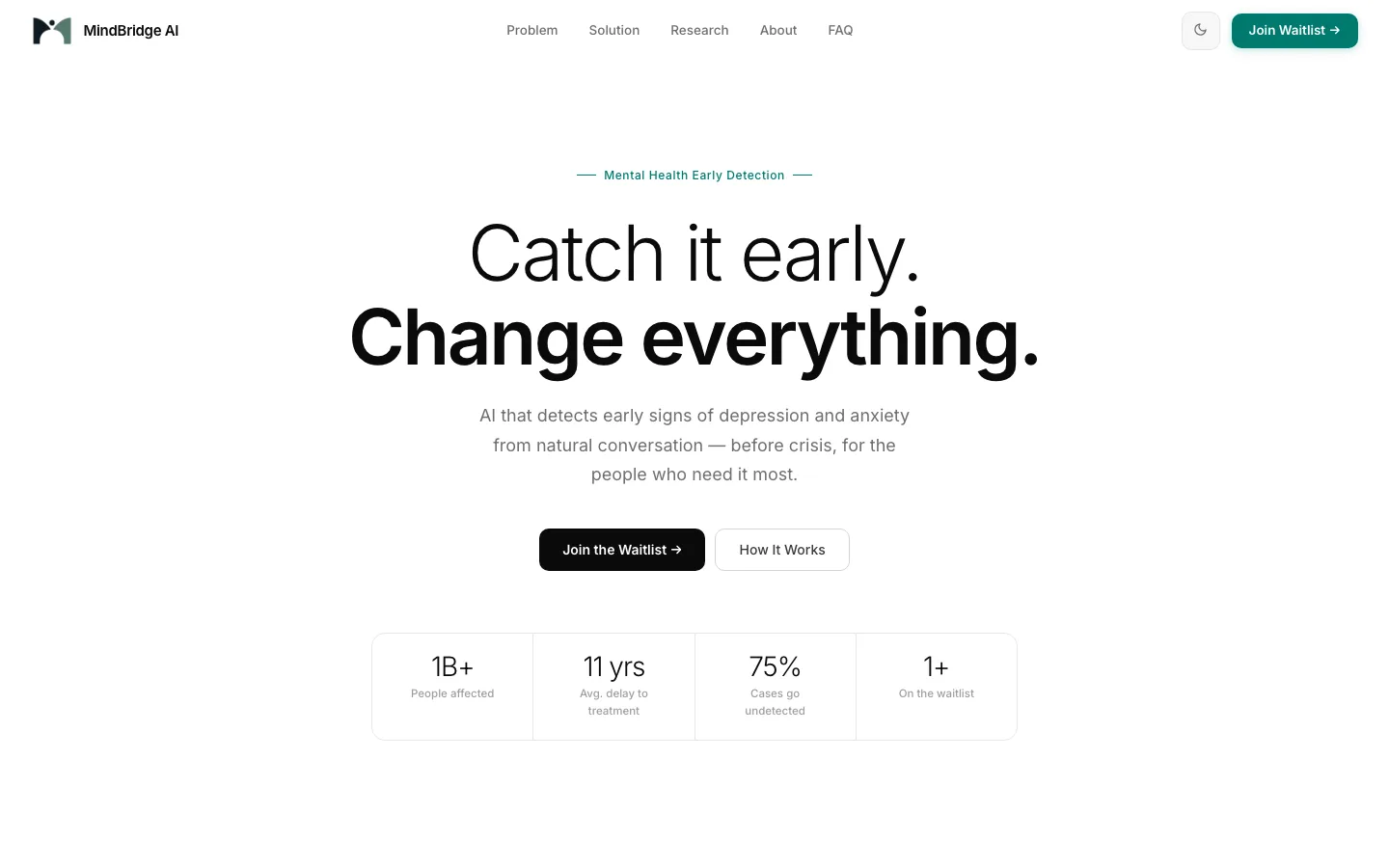
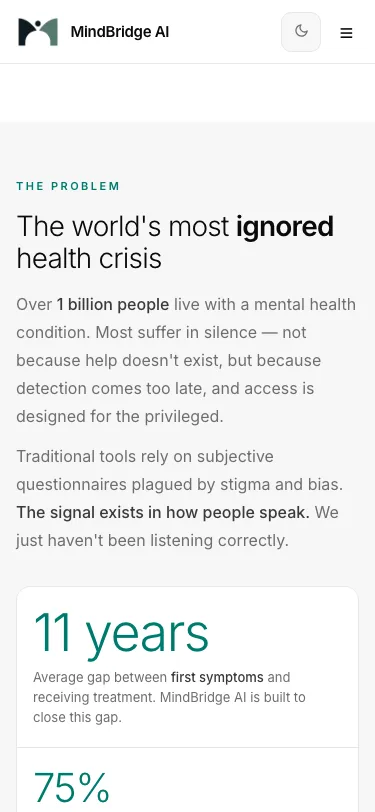
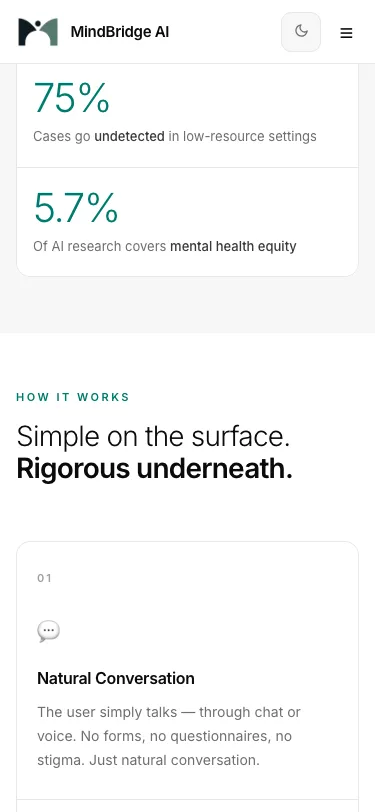
Depression and anxiety often go unnoticed until they turn into a crisis. Screening usually relies on questionnaires that people avoid or answer with stigma in mind, and access to screening is weakest in low-resource communities.
MindBridge starts from one question: can a language model pick up early signs in the way people naturally talk, responsibly and privately, before someone reaches a crisis?
What I did
I set MindBridge up as research first. The plan is to fine-tune language models on natural conversation and evaluate them with a method fit for peer review, aiming to publish in JMIR Mental Health.
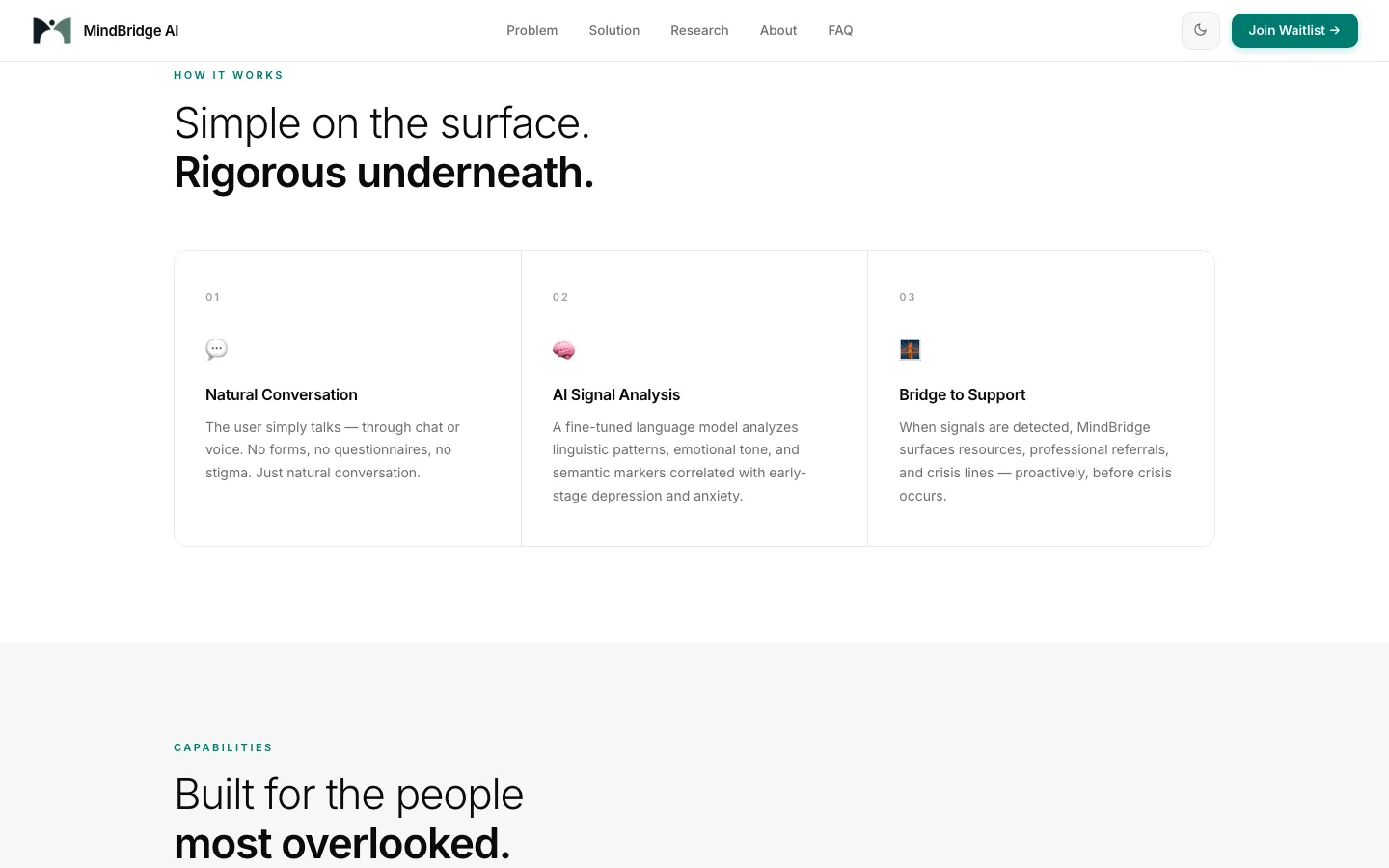
I defined the product flow around privacy and around people with the least access to care: a person talks by chat or voice, the model looks for early signs, and the platform points them to resources and support.
I also built and launched the public site, with a waitlist that records sign-ups through serverless functions.
The outcome
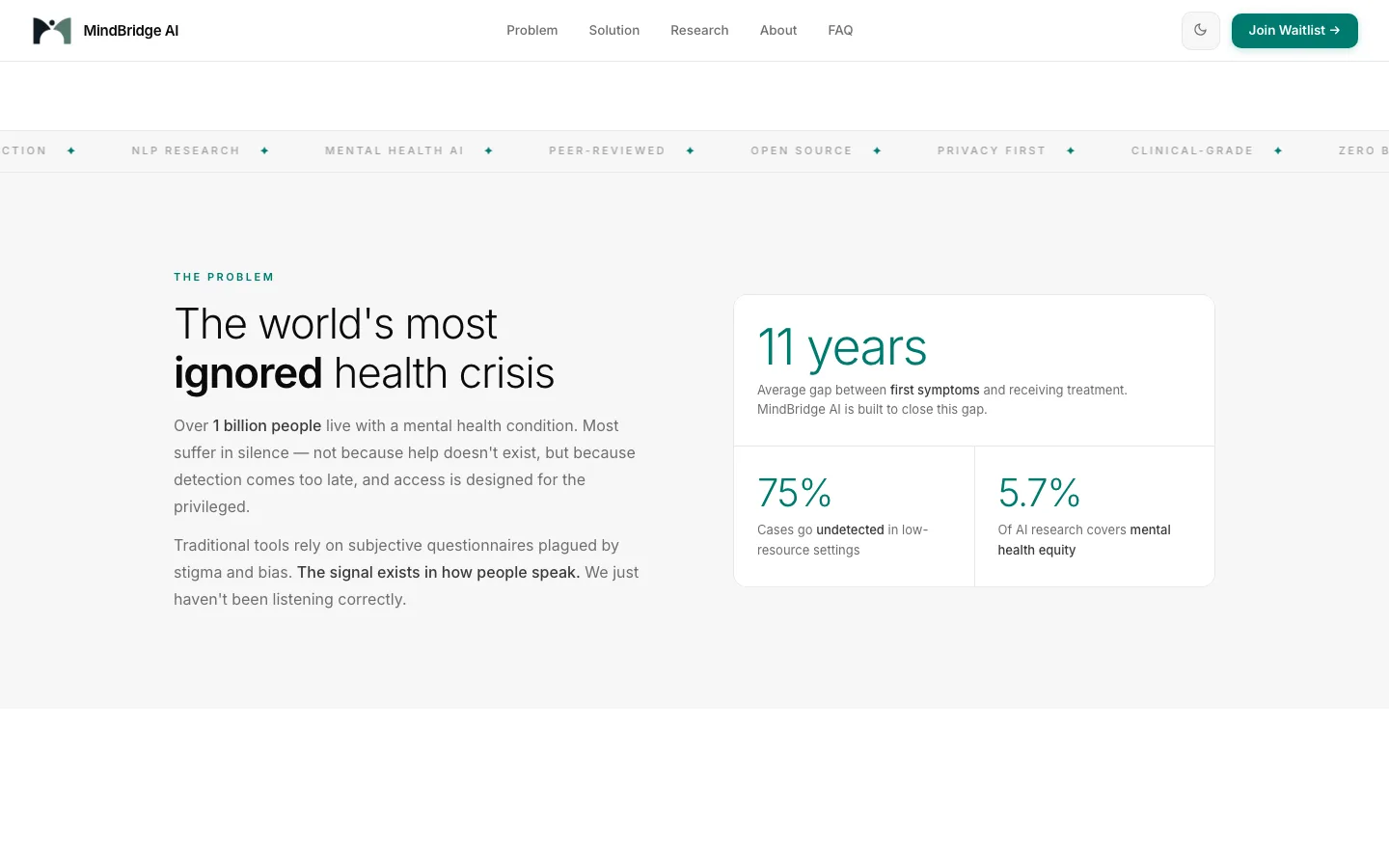
MindBridge is in its first research phase. The site at mindbridge-milan.vercel.app explains the problem, the approach and the research plan, and the waitlist is open.
No model has been released and there are no results to report yet. The next step is the research itself, done properly before any product claims.
Next project
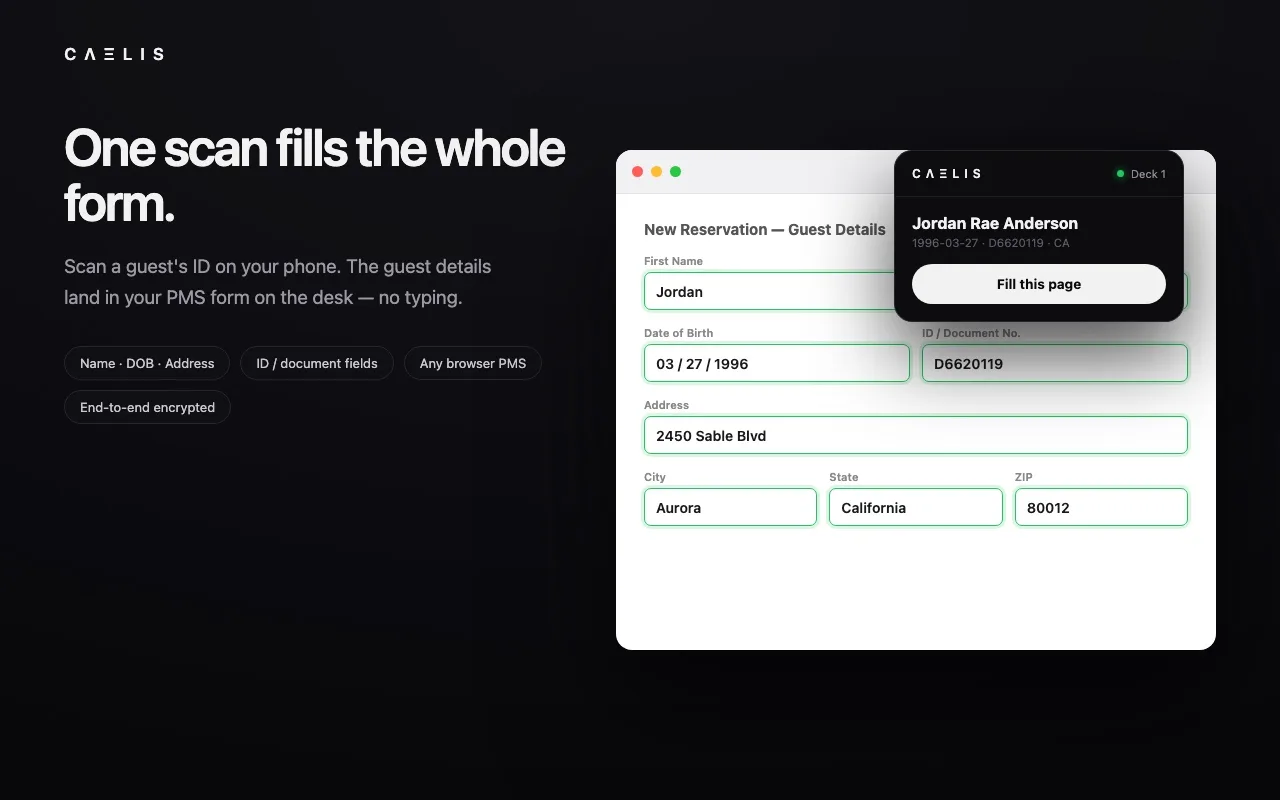
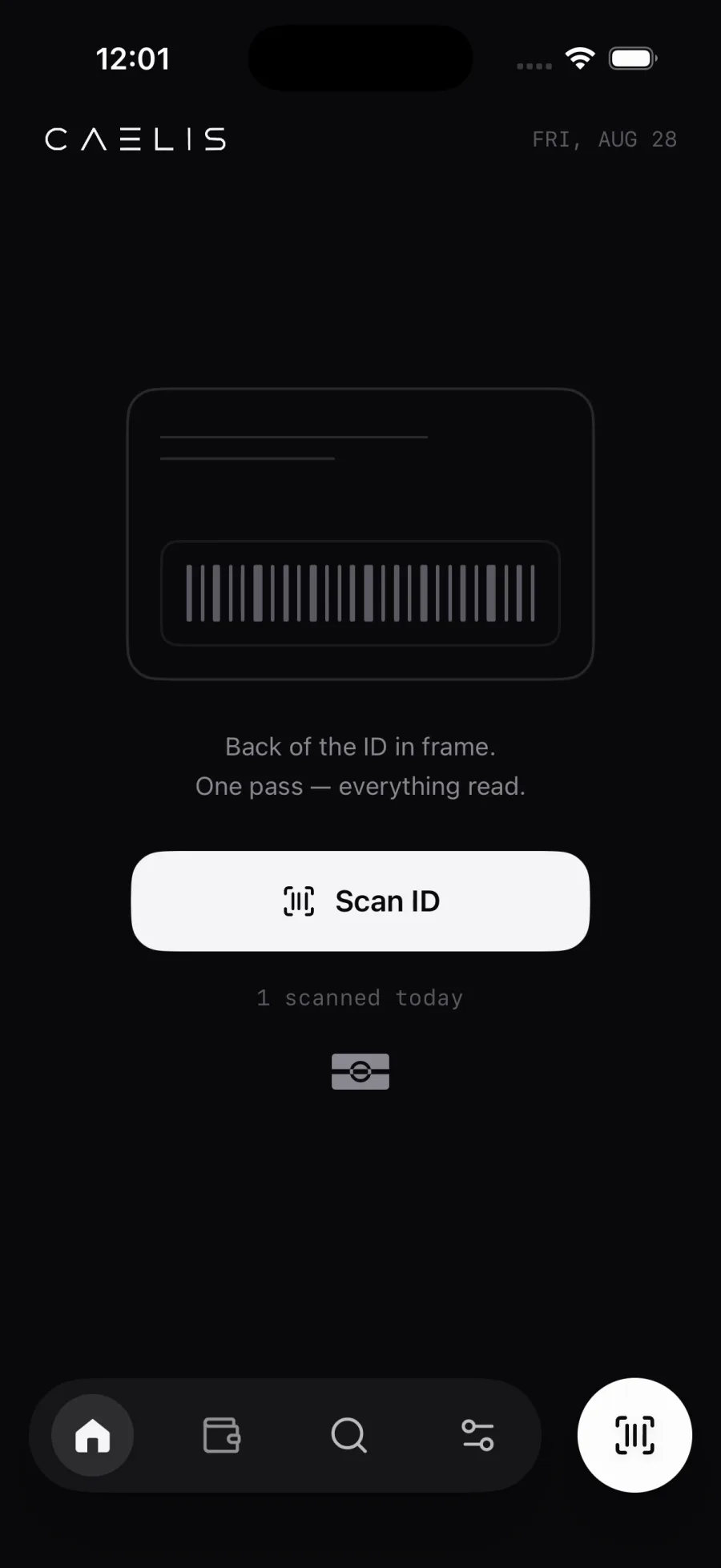
Caelis
Scan the back of any ID at the front desk — everything filled in, in three seconds.